The Science of Red Light Therapy: Skin Health, Inflammation, and Faster Recovery
Written by: Michael Stanton
Director of Performance Photobiomodulation
SOLiX Clinical Research Division
Reviewed by: Deemer Stacy, Founder, SOLiX Wellness Studio
Red light therapy has moved far beyond cosmetic trends. In clinical and performance settings, structured photobiomodulation is being studied for its influence on mitochondrial function, inflammatory regulation, vascular health, and tissue recovery.
At SOLiX Wellness Studio in Tulsa, we use whole-body red and near infrared light delivery to support cellular energy production, collagen remodeling, and systemic recovery adaptation.
Understanding the science behind red light therapy clarifies why consistency matters and why dosing precision determines results.
The Science Behind Red Light Therapy

Red light therapy promises a path to better health through light. Understanding its science helps you see why it’s a trusted choice.
Photobiomodulation: The Cellular Mechanism
Red light therapy operates through photobiomodulation, a process in which specific wavelengths of light interact with chromophores inside cells.
The primary target is cytochrome c oxidase within the mitochondria.
When red and near infrared light reach tissue:
-
Electron transport chain efficiency improves
-
Nitric oxide dissociates from mitochondrial binding sites
-
ATP production increases
-
Reactive oxygen signaling modulates
-
Cellular repair pathways activate
This is not superficial warming. It is bioenergetic stimulation.
ATP, the molecule that powers cellular function, becomes more available for:
-
Collagen synthesis
-
Protein repair
-
Inflammatory resolution
-
Muscle recovery
-
Neural signaling
The body is not being forced. It is being supported.
Wavelength Matters: Red vs Near Infrared
Red light in the 630 to 660 nanometer range primarily influences:
-
Skin tissue
-
Collagen production
-
Superficial circulation
-
Surface inflammation
Near infrared light in the 810 to 940 nanometer range penetrates more deeply and influences:
-
Muscle tissue
-
Joints
-
Connective tissue
-
Vascular structures
At SOLiX, whole-body exposure allows multi-layered stimulation rather than localized spot treatment. That systemic coverage differentiates structured clinical delivery from small at-home panels.
Penetration depth combined with total irradiance determines therapeutic effect.
Dose matters.
Mitochondrial Health and Performance
Mitochondria are often described as the power plants of the cell. That description is accurate, but incomplete.
They are also regulators of:
-
Oxidative stress
-
Cellular signaling
-
Apoptosis
-
Inflammatory balance
When mitochondrial efficiency declines, so does recovery capacity.
Photobiomodulation has been studied for its potential to:
-
Increase mitochondrial membrane potential
-
Improve ATP availability
-
Reduce oxidative stress markers
-
Enhance cellular resilience
For high-performing individuals in Tulsa and beyond, this translates to:
-
Faster tissue repair
-
Reduced fatigue accumulation
-
Greater recovery between training sessions
-
Improved long-term vitality
Performance begins at the cellular level.
Enhancing Skin Health and Appearance
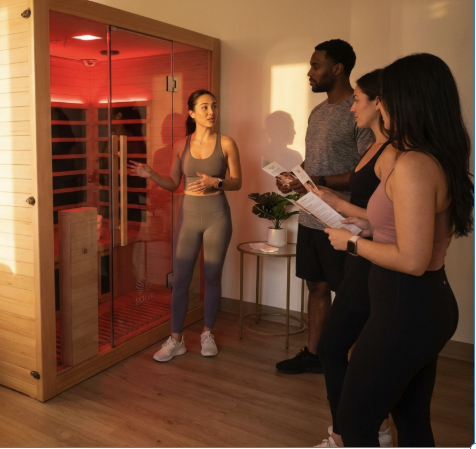
Healthy skin isn’t just about looking good; it’s about feeling confident and vibrant. Red light therapy can give you the boost your skin needs.
Skin Health: Collagen Remodeling and Dermal Support
Red light therapy’s effects on skin health are among the most studied applications.
Collagen production depends on fibroblast activation. Research suggests red wavelengths may stimulate fibroblast activity and promote:
-
Increased collagen density
-
Improved skin elasticity
-
Reduction in fine lines over time
-
Improved dermal structure
Unlike cosmetic treatments that mask surface appearance, photobiomodulation influences tissue remodeling at the cellular level.
Results are gradual and cumulative.
Consistency produces adaptation.
Wrinkle Reduction and Acne Healing
Stubborn wrinkles and acne can be frustrating, but red light therapy offers hope. By increasing blood circulation and reducing inflammation, it helps your skin heal faster. This therapy not only reduces wrinkles but also clears acne by minimizing redness and swelling. It’s a gentle approach that supports your skin’s natural healing process, leading to clear and smooth skin over time.
Supporting Cellular Health
Your skin’s health starts at the cellular level. Red light therapy enhances cellular function, leading to healthier skin. It helps cells regenerate, promoting clearer and more resilient skin. This is particularly beneficial for those with skin conditions that need constant care. With stronger skin cells, your skin becomes more resistant to environmental stressors, maintaining its glow and vitality.
Accelerating Recovery and Reducing Inflammation
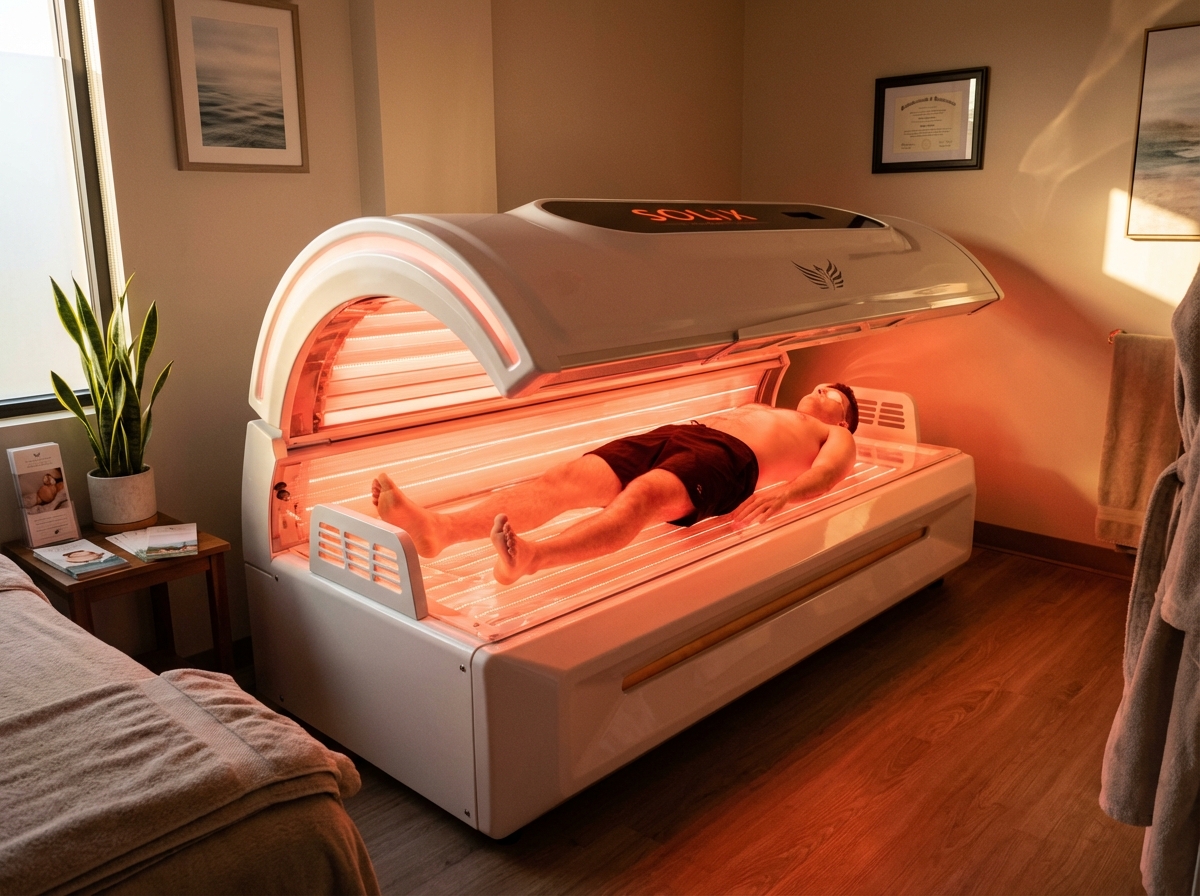
Recovery is crucial for anyone active, and reducing inflammation is key to feeling your best. Red light therapy can help you get there faster.
Inflammation Modulation and Joint Support
Inflammation is necessary for healing. Chronic inflammation is not.
Red and near infrared light have been studied for their ability to influence inflammatory mediators such as:
-
NF-kappa B
-
Pro-inflammatory cytokines
-
Oxidative signaling pathways
By modulating inflammatory signaling rather than suppressing it, photobiomodulation may support:
-
Joint comfort
-
Reduced muscle soreness
-
Improved connective tissue recovery
-
Greater mobility
This is particularly relevant for individuals managing arthritis, overuse injuries, or training-induced inflammation.
In Tulsa, many members integrate red light therapy as part of a structured mobility and recovery routine rather than as a reactive pain solution.
Athletic Recovery and Circulatory Enhancement
Recovery is often limited by circulation and cellular energy availability.
Near infrared wavelengths may support:
-
Increased local blood flow
-
Enhanced oxygen delivery
-
Improved lymphatic movement
-
Reduced delayed onset muscle soreness
Whole-body delivery amplifies systemic circulation rather than treating isolated muscle groups.
For athletes, executives, and high-demand professionals, the benefit is not just soreness reduction. It is faster recovery between stress exposures.
Stress plus recovery equals adaptation.
Dosimetry and Why Not All Red Light Is Equal
Many discussions of red light therapy avoid dosage.
That omission matters.
Therapeutic response depends on:
-
Irradiance
-
Wavelength
-
Exposure duration
-
Treatment frequency
-
Surface area covered
Underdosing produces minimal adaptation. Overexposure may blunt response.
At SOLiX Wellness Studio, whole-body systems are calibrated for structured exposure within clinically supported ranges. This allows controlled, repeatable sessions rather than inconsistent light delivery.
Precision builds predictable outcomes.
Red Light Therapy in Tulsa: A Structured Approach
For individuals seeking red light therapy in Tulsa, the question should not be:
“Does it feel warm?”
The question should be:
“Is it delivered at therapeutic intensity and appropriate frequency?”
At SOLiX, sessions are integrated into a broader recovery and performance strategy, often combined with infrared sauna to support vascular adaptation and systemic circulation.
The objective is not a temporary boost.
The objective is long-term resilience.
Frequently Asked Questions
How long does it take to see results from red light therapy?
Skin-related improvements may appear gradually over several weeks. Recovery-related benefits may be noticed sooner with consistent use. Adaptation is cumulative.
Is red light therapy safe?
When delivered within appropriate dosing parameters, red and near infrared light are generally well tolerated. Sessions should follow structured guidelines.
How often should you use red light therapy?
Many protocols suggest 2 to 4 sessions per week for general recovery and skin support. Frequency should align with goals and tolerance.
Does red light therapy help with joint pain?
Research suggests photobiomodulation may modulate inflammatory signaling and improve circulation, which can support joint comfort and mobility.
Is whole-body red light better than small panels?
Whole-body systems deliver systemic exposure and broader tissue penetration, which may support more comprehensive adaptation compared to localized devices.
Final Perspective
Red light therapy is not a cosmetic trend. It is a performance modality grounded in cellular bioenergetics.
When applied consistently and at therapeutic intensity, photobiomodulation may support:
-
Collagen remodeling
-
Inflammatory balance
-
Mitochondrial efficiency
-
Circulatory enhancement
-
Recovery acceleration
At SOLiX Wellness Studio in Tulsa, red light therapy is delivered as part of a structured longevity strategy, not as a quick fix.
Cellular energy drives performance.
Performance drives resilience.
Resilience supports longevity.