Rhabdomyolysis is a rare but serious risk when training hard or facing heat stress. If you notice severe muscle pain, weakness, or dark urine, quick action is critical. This guide helps you spot warning signs, reduce risk during workouts and heat exposure, and build a safe recovery routine. Once cleared by your doctor, SOLiX supports your return with consistent light and heat therapy to protect mobility and resilience over time. Learn how light and heat therapy support long-term wellness here.
Understanding Rhabdomyolysis
Gaining knowledge about rhabdomyolysis can help you protect yourself from its risks. This section explains what it is and how to spot the warning signs that need immediate attention.
What is Rhabdomyolysis?
Rhabdomyolysis happens when muscle fibers break down and release their contents into the bloodstream. This can lead to kidney damage or other serious complications. The condition often stems from intense physical activity or heat stress. If you push your body too hard, your muscles may not cope, leading to this breakdown. Understanding this condition is crucial, especially if you engage in strenuous activities. The Cleveland Clinic provides more insights into managing this health risk.
Recognizing Red-Flag Symptoms
Spotting the symptoms early can make a huge difference. Severe muscle pain, weakness, and dark urine are critical signs. You might feel pain beyond typical post-workout soreness. If your urine looks tea-colored, it’s a red flag. Most people think muscle pain is normal after workouts, but this could indicate something more serious. Ignoring these signs can lead to severe health issues.
Exertional Rhabdomyolysis Explained
Exertional rhabdomyolysis occurs when strenuous exercise leads to muscle breakdown. Athletes and fitness enthusiasts are commonly affected. Overexertion, especially in hot weather, increases the risk. This condition is more than just fatigue from a tough workout. It’s a signal that your muscles are undergoing harmful changes. Research shows that early intervention can prevent serious complications.
Prevention and Risk Reduction
Reducing the risk of rhabdomyolysis involves implementing safe practices during workouts and managing environmental factors. Here’s how you can protect yourself.
Safe Training Practices
Safe training is about listening to your body. Gradually increase workout intensity to avoid overloading muscles. Regular breaks during exercise sessions help prevent strain. Additionally, cooling down after workouts aids muscle recovery. Overexerting muscles without proper rest can lead to breakdown. It’s crucial to incorporate rest days to allow for recovery and repair. Structured routines that focus on gradual progress will protect your muscles from undue stress.
Managing Heat Exposure
Heat plays a significant role in muscle stress. Exercising in high temperatures without adequate cooling measures is risky. Seek shade or cooler environments during workouts. Wear breathable clothing and take frequent breaks. Most people underestimate the impact of heat, which can exacerbate muscle breakdown. Keep your body temperature in check to minimize the risk of heat-related illnesses. CDC guidelines offer tips on mitigating heat exposure risks.
Hydration and Electrolytes
Proper hydration is your first line of defense against muscle breakdown. Drink water before, during, and after exercise. Dehydration can lead to serious complications, including rhabdomyolysis. Electrolytes, found in sports drinks, help maintain fluid balance. Most people assume water alone is enough, but electrolytes are crucial for muscle function. Incorporate them to support your body’s recovery and performance.
Safe Recovery and Routine Building
Building a safe recovery routine can enhance your resilience and mobility. Using tools like infrared saunas and photobiomodulation, you can support long-term wellness.
Infrared Sauna Safety
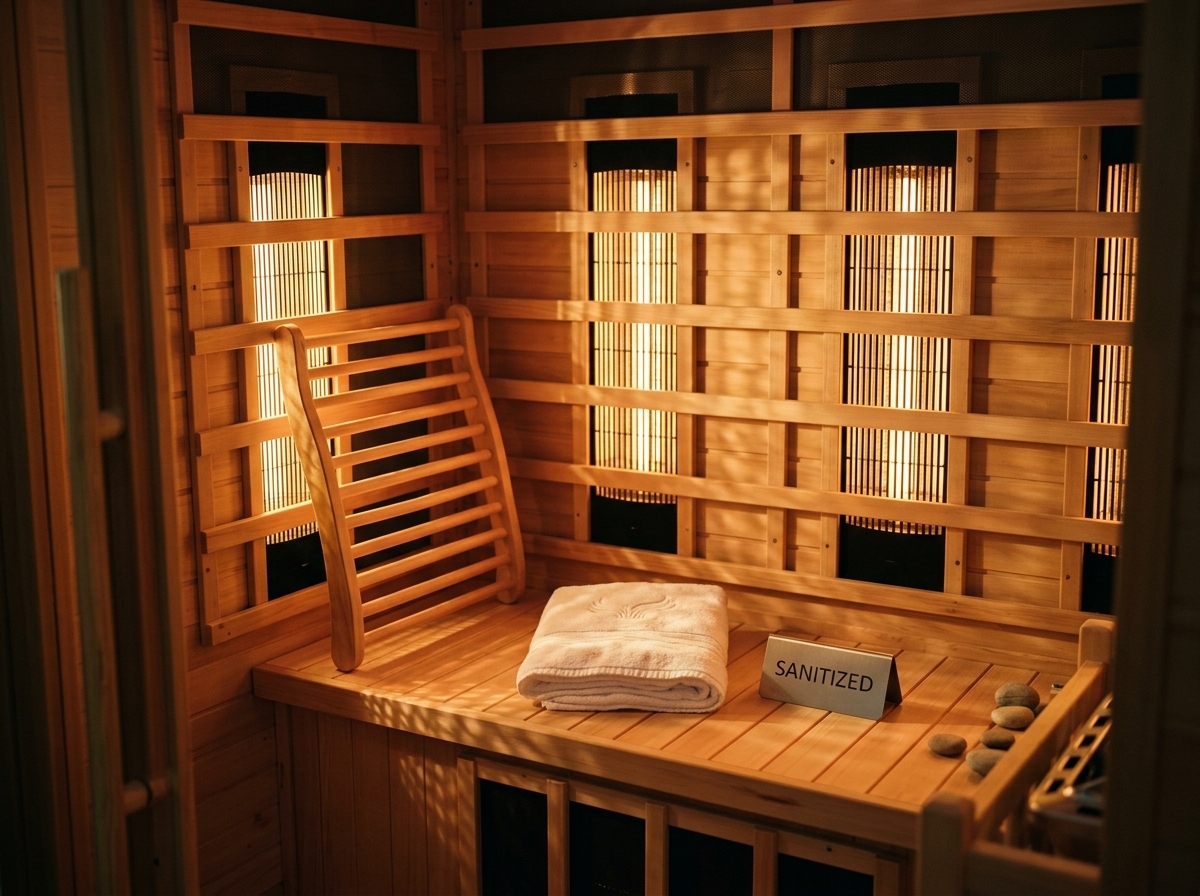
Infrared saunas provide deep heat that aids muscle recovery. When used correctly, they enhance circulation and reduce muscle tension. It’s important to follow safe sauna use guidelines to prevent heat stress. Start with short sessions, gradually increasing duration. Monitoring how your body responds is key to safe use. With consistent use, saunas can become a valuable part of your recovery routine.
Photobiomodulation Benefits
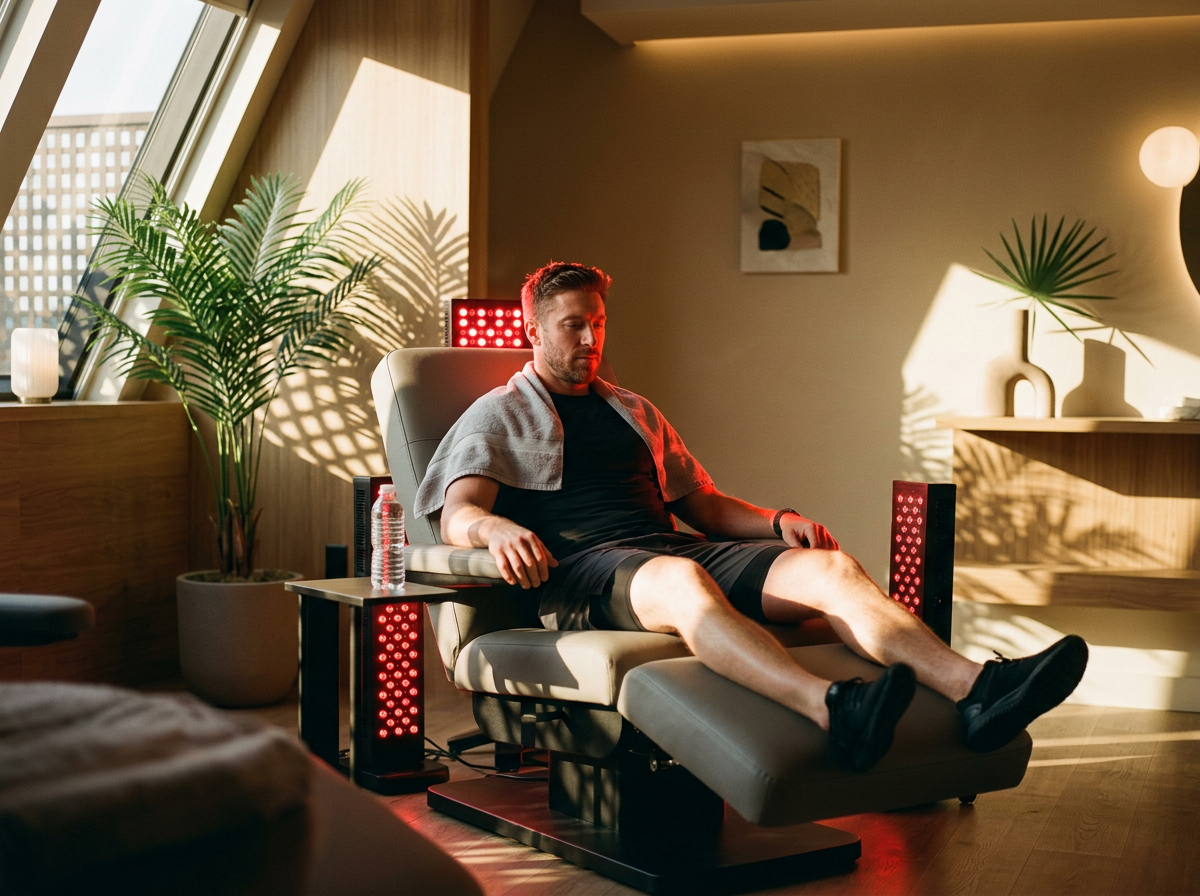
Photobiomodulation, or red light therapy, supports cellular energy and recovery. It enhances circulation and reduces inflammation. Regular sessions help maintain muscle health and resilience. While many overlook this therapy, it’s a powerful tool for recovery. The benefits extend beyond muscle health, supporting overall vitality and mobility. Explore how red light therapy can enhance your wellness journey.
Structured Recovery with SOLiX
SOLiX offers a structured approach to recovery, combining therapies for optimal results. Consistent sessions with infrared saunas and red light therapy support your body’s natural healing processes. After medical clearance, integrating SOLiX into your routine can enhance mobility and resilience. This approach emphasizes long-term wellness rather than quick fixes. Begin your journey toward structured recovery and experience the benefits of consistent therapy for yourself.
In summary, understanding and preventing rhabdomyolysis involves safe training practices, managing heat exposure, and ensuring proper hydration. Once cleared by your doctor, a structured recovery routine with SOLiX can support your long-term health and wellness.
Schedule your complimentary whole-body red light therapy session in Tulsa today.